by Janine Duffy
What is this bird?
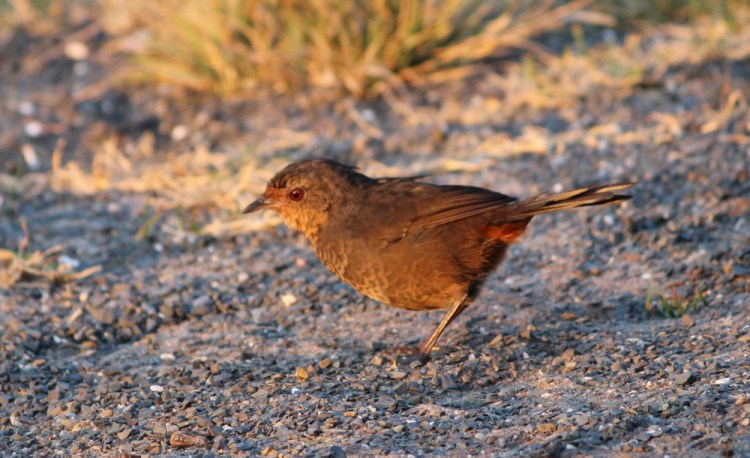
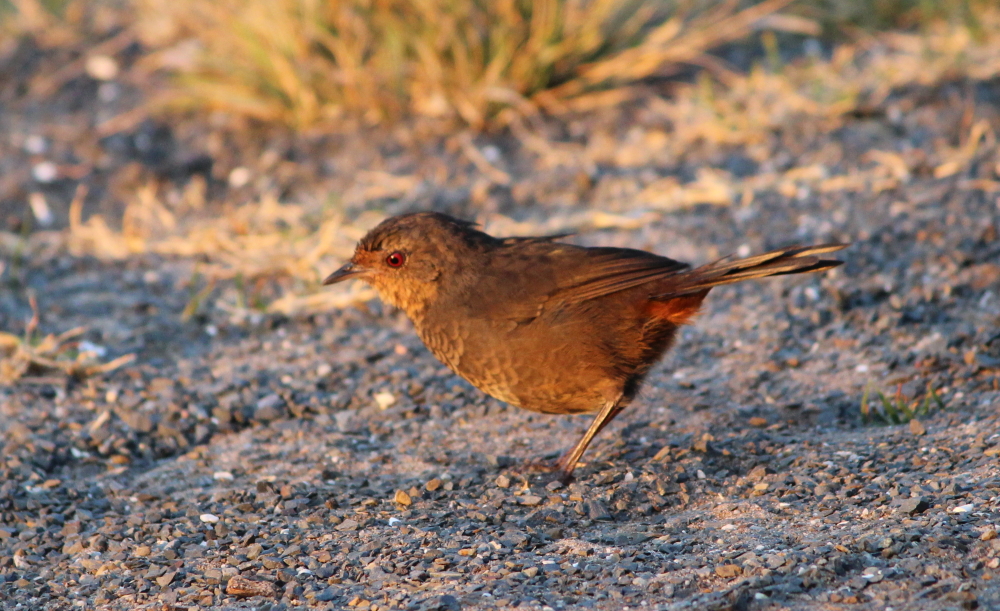
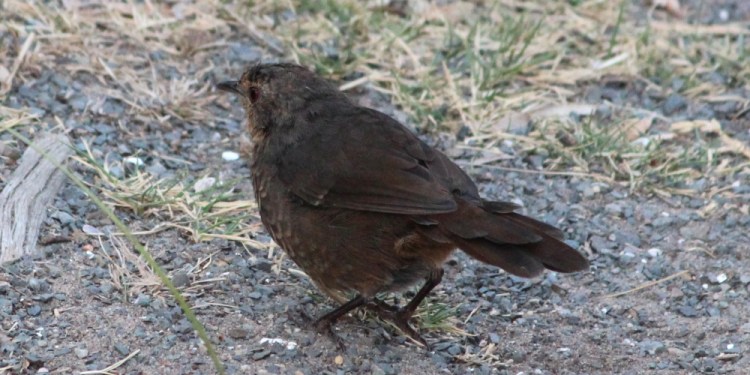
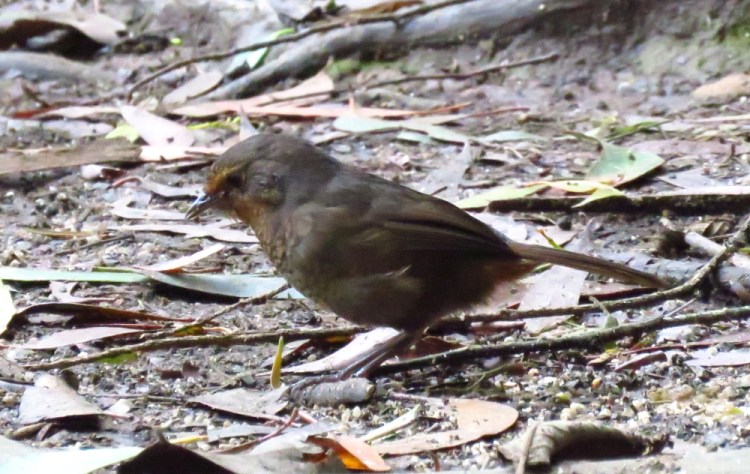
Seen late afternoon hopping around on the ground amongst coastal heath at Cape Conran, East Gippsland Victoria. Size: a little bigger than a sparrow, but not as big as a blackbird. Field guides often don’t picture this bird well, I reckon. I was muddled about it for years.
This was a P-plater identification challenge on Women Birders Australia 28 March 2020. Most respondents got it right, and all the guesses were very worthy.
It’s a Pilotbird Pycnoptilus floccosus
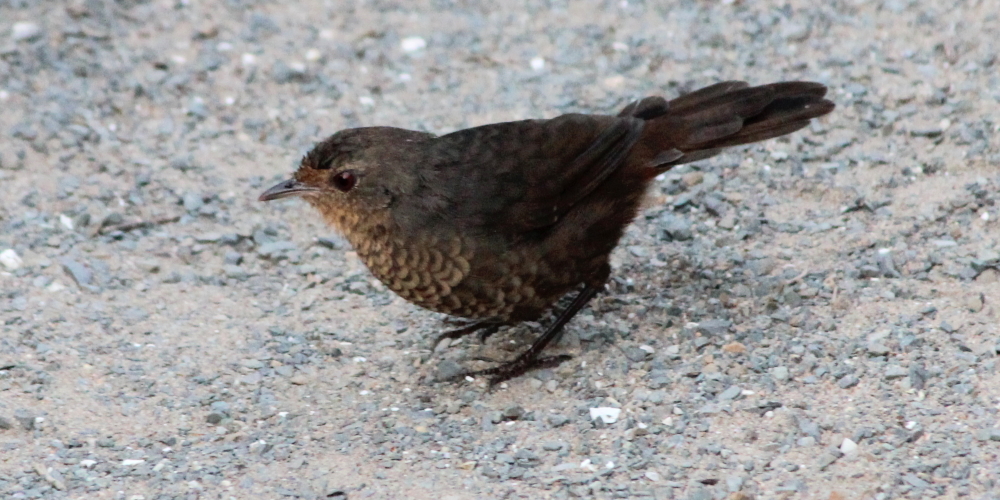
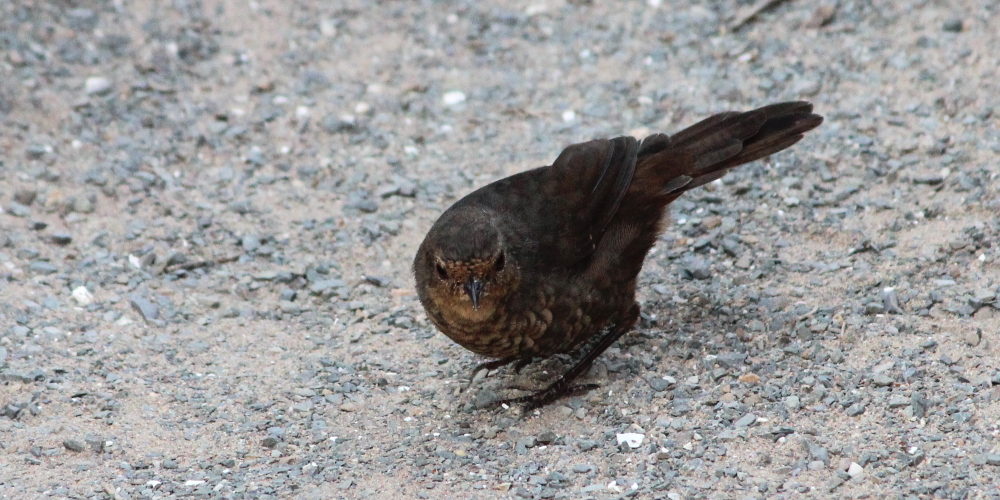
Until you see one yourself its really hard to be sure about this bird. I have been lucky – I’ve seen them well, several times, in the early evening at Cape Conran while setting up a light dinner for guests. In each case there were a couple of birds, hopping around eagerly, quite unfazed by our presence.
..
The most helpful thing with this bird is its stance and build. It looks like a bird of the ground. How can you tell? It hard to describe, but the feet and legs are a good start: they look strong, large. As you’d expect for an animal that uses them a lot.
Also, ground birds tend to be long and low and heavy. Not upright, like tree birds.
Knowing this means you can rule out a lot of tree birds which have superficially similar plumage, like young whistlers and treecreepers. Most tree birds come to the ground occasionally, but even there, they stand a bit awkwardly.
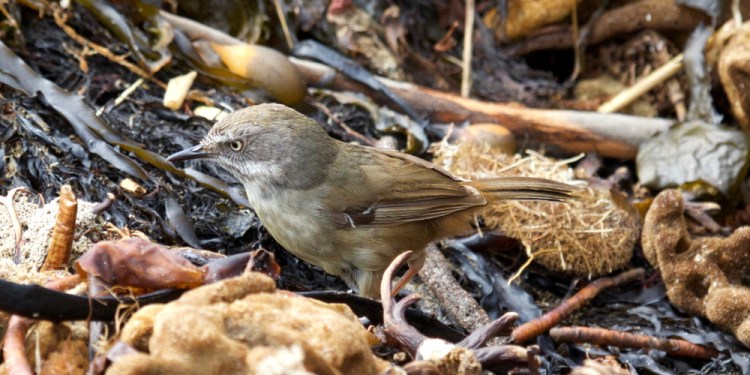
Size is also very helpful with this bird. Bigger than a sparrow, smaller than a blackbird. That rules out thornbills, and most wrens, which are much smaller than a sparrow. Here’s a pic of a juvenile White-browed Scrubwren, which is the closest possibility that lives in the same habitat.
..
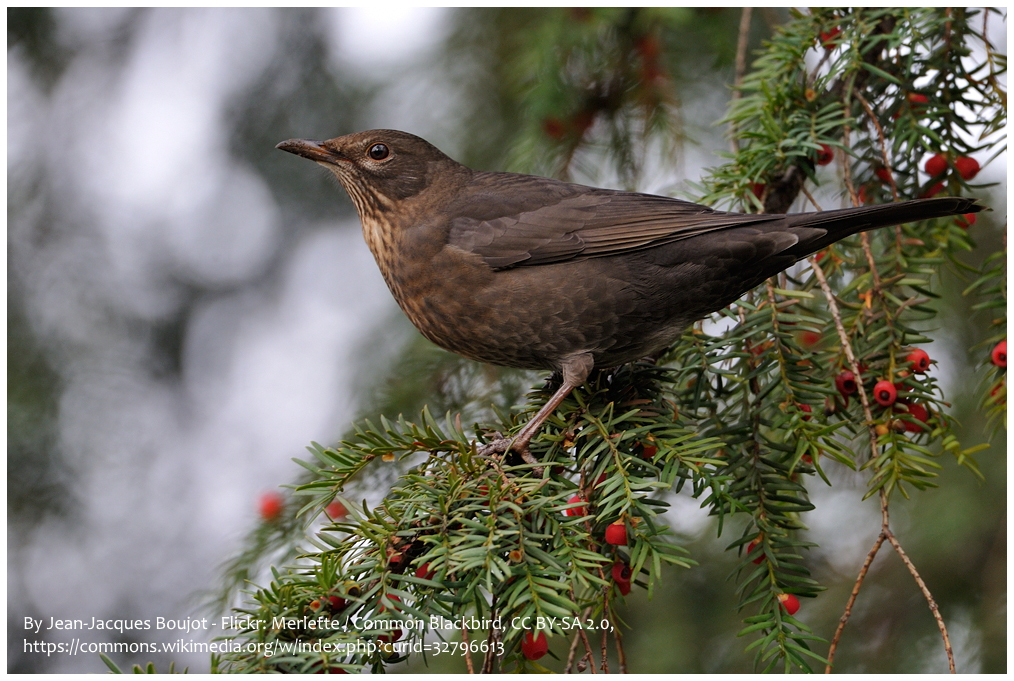
Size also rules out juvenile blackbird, Bassian Thrush, Common Starling which are bigger. But just out of interest here are pics of two of those:
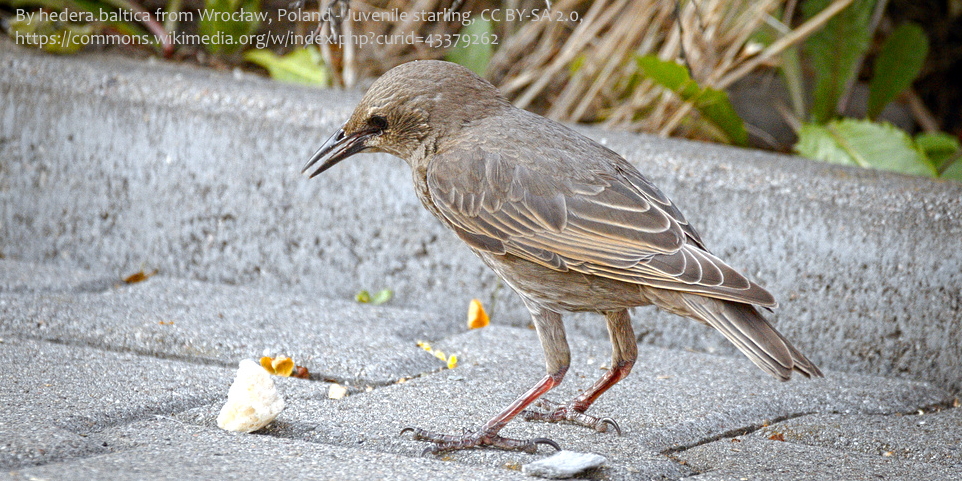
.
The lack of crest rules out juvenile Eastern Whipbird. All whipbirds have it, even as young ‘uns.
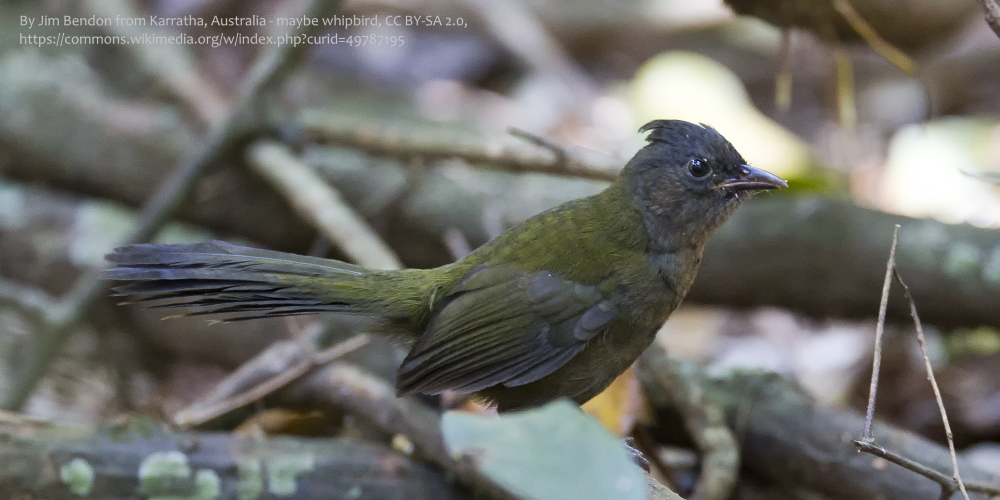
..
For some reason, a lot of ground birds are streaky. In the same size class as this bird Australian Pipit, Horsfield’s Bushlark, Skylark and female Brown and Rufous Songlarks are all streaky. This bird isn’t, so that helps rule all those out.
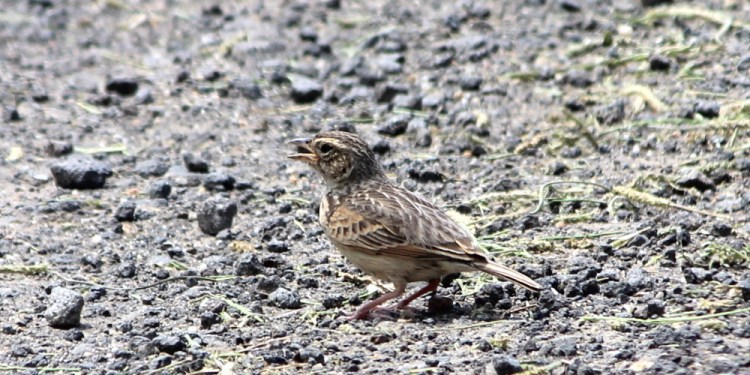
..
Striated Fieldwren is also streaky, but a bit smaller than a sparrow. Their tails are usually cocked too.
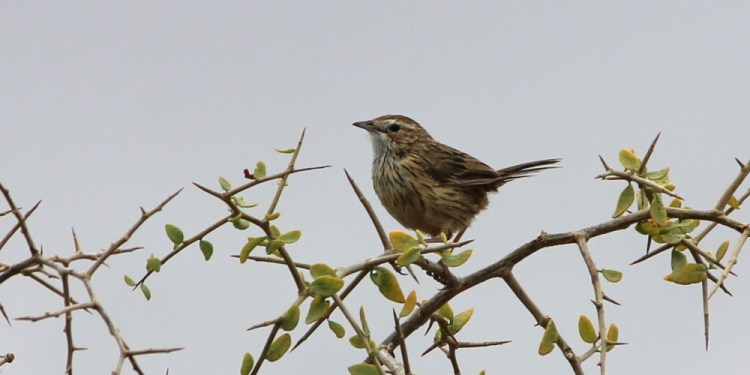
..
Male Brown Songlark isn’t streaky. But he is lanky, not dumpy like this bird. And its not really the right habitat for him – he’s more often in open country.
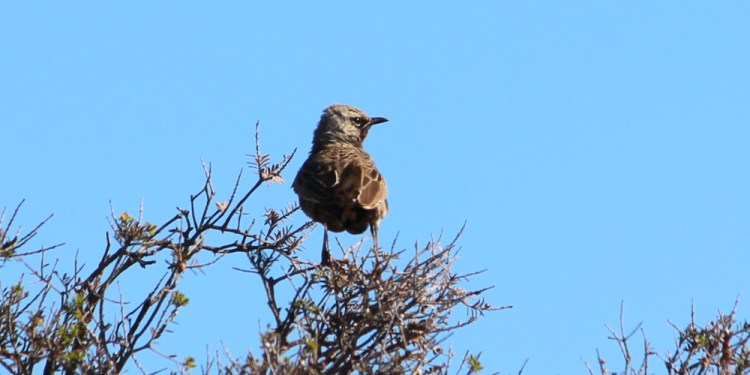
..
Habitat and distribution are very important when figuring out birds. It’s good to get into a habit of looking at the distribution map in the field guide first. In this case distribution rules out Rufous Bristlebird, which is the closest just in appearance, though a fair bit bigger. Eastern Bristlebird is about the same size as a Pilotbird, but they are extremely rare and only known from Howe Flat far to the east at Mallacoota.
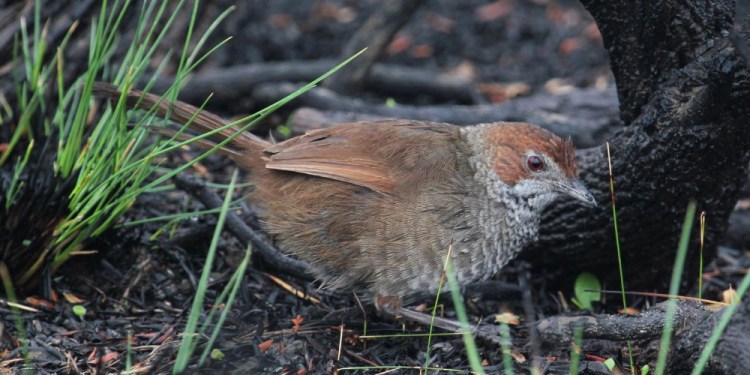
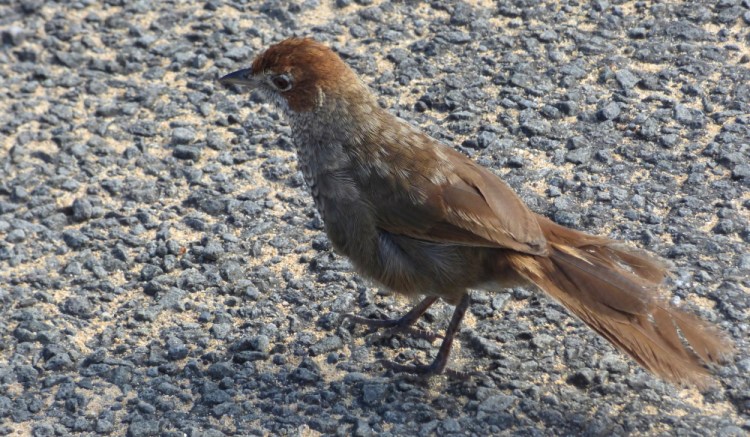
..
While birds can be found out of range, rare vagrants are …. rare. Assume its not a vagrant until proved otherwise.
So after all that the only possibility is a Pilotbird!
As Sonja Ross said on the facebook post, figuring out this bird is a process of elimination.
..
Women of all ages, race, ability and gender diversity are welcome to join Women Birders Australia. The group is set up to share and discuss wild birds in Australia.
 Women Birders Australia
I feel that the Eastern Bristle bird possibility has been eliminated a bit too readily. After all both species occur in E Gippsland and some heathy spots in Far south and South coast NSW. And both are rather plain brown birds of that Blackbirdy size range and in my very limited experience are liable to disappear very quickly from scrutiny!
LikeLike