by many of the Women Birders of Australia.
NORTHERN TERRITORY:
Point Stuart Wilderness Lodge/Mary River Floodplains. by Janine Duffy
Nearest town: its about half way between Humpty Doo & Jabiru (132km from Humpty Doo).
https://goo.gl/maps/tXnp9AbR9FTKX2C89
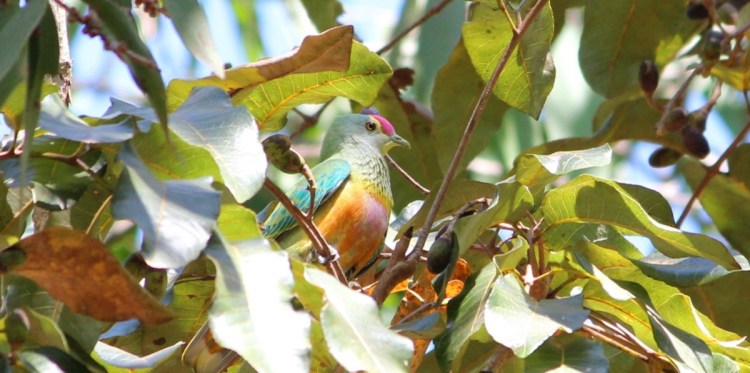
I loved it the minute I arrived. Partly because I stepped out of the car and looked up to see a Rose-crowned Fruit-Dove. We only went there to check out the Jimmy Creek Rainforest walk, in the Mary River NP, which is accessed from the privately-owned Pt Stuart Wilderness Lodge. But we loved the lodge, and started staying there two nights on all our trips.
I usually take a pre-dawn walk in the Jimmy Creek Rainforest every morning. I love listening to the birds wake up. I take a torch so that I don’t step on a snake or frog and hurt them.
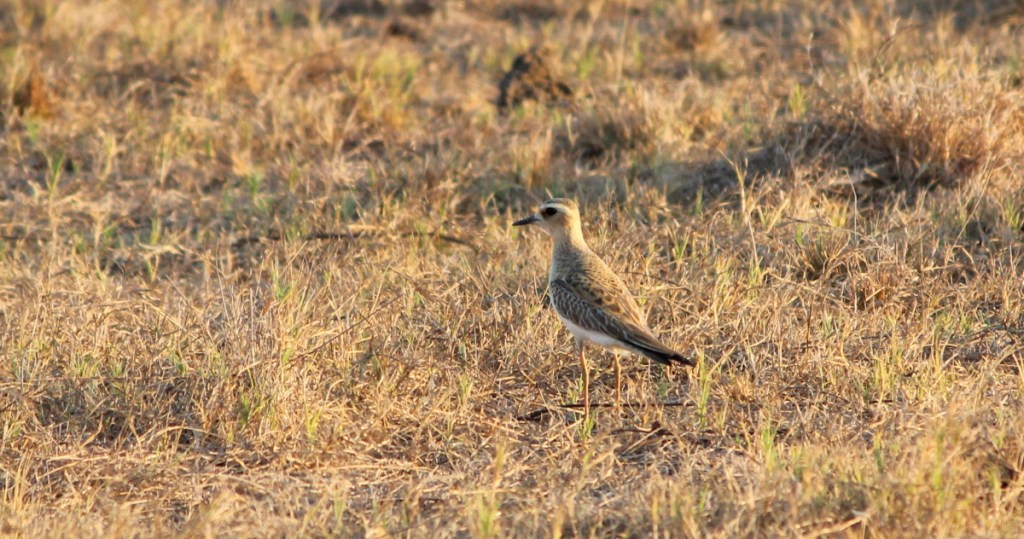
We always do the Pt Stuart Safari Drive out onto the Mary River Floodplains. You pay for this, but it’s worth it. It gets you access to Opium Creek station, where you usually see bustards, Aust Pratincoles. One year we saw Oriental Plovers, another a Black Falcon. On the drive back in the sunset you sometimes see a Boobook.
Up the road is Shady Camp, which sounds lovely, looks awful, but is some of the best birding I’ve ever done. Go there at sunset, and watch thousands of birds of one species heading north along the river to their night-time roost. Every time it’s a different species – we’ve seen Intermediate Egrets doing it, Whiskered Terns, Wandering Whistling-ducks, Brolga. Small birds do it too, flitting through the tops of the mangroves: Yellow White-eyes, Rufous-banded Honeyeaters.
I did a blog about it: https://www.echidnawalkabout.com.au/wildlife-in-surprising-places/
Safety: absolutely safe. You can walk alone at Jimmy Creek and on any of the walks. There’s no-one around.
Toilets: at Lodge
Mobile reception: poor, patchy.
Physical ability needed: almost none. Walks are very short and flat.
..
VICTORIA:
Seymour River Walk, Lions Park, Seymour by Karen Weil
https://goo.gl/maps/eNCXaE8mhsNU1SRg7
This is a favourite stop heading or returning from northern Victoria or a destination.
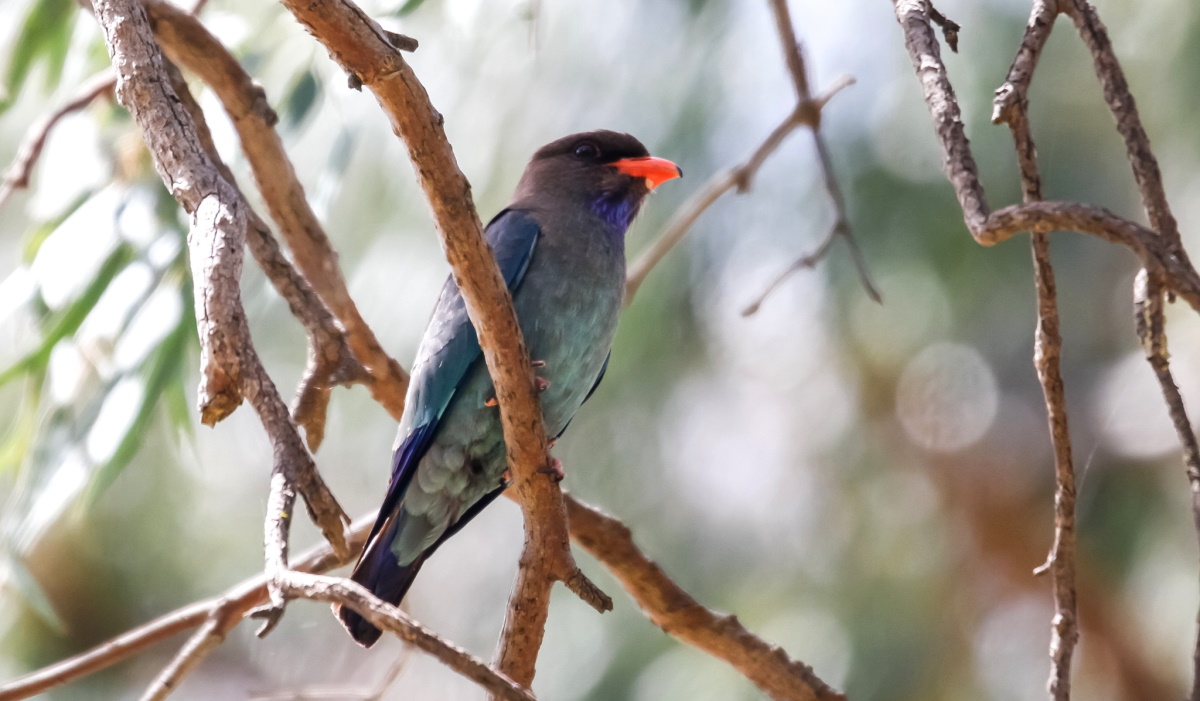
It is a favourite haunt of Sacred Kingfishers, Dollarbird, Tawny Frogmouth, Restless Flycatcher, Golden Whistler, Crested Shrike-tit, various raptors and honeyeaters.
Last year, the Little Red Flying-fox roosted along the walk, to the left of the clearing. Every visit is a surprise. The Dollarbirds fly between the trees in the clearing. The walk follows the Goulburn River, another treat bird was Little Friarbird.
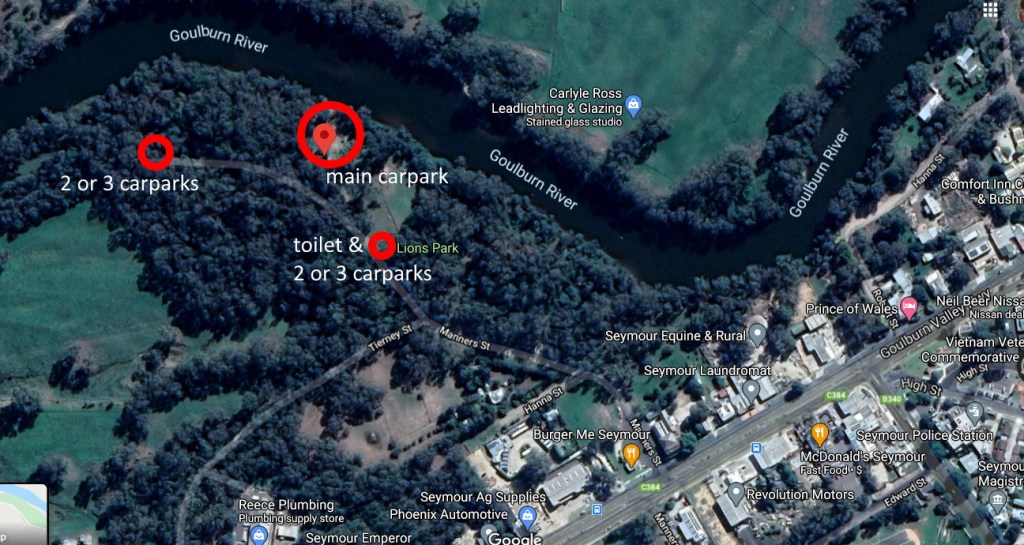
Carpark: off Manners St, see map
Safety: very safe
Toilets: Yes
Mobile phone reception: Yes
Physical ability required: easy walk, disability access. Shops nearby.
eBird Hotspot: https://ebird.org/hotspot/L2552691
Close by is Mangalore FFS, off the highway. It is via dirt roads, no facilities. I personally would not go there alone, but no one except birders are ever there. My favorite visit was being surrounded by male Gilbert Whistlers, magical.
..
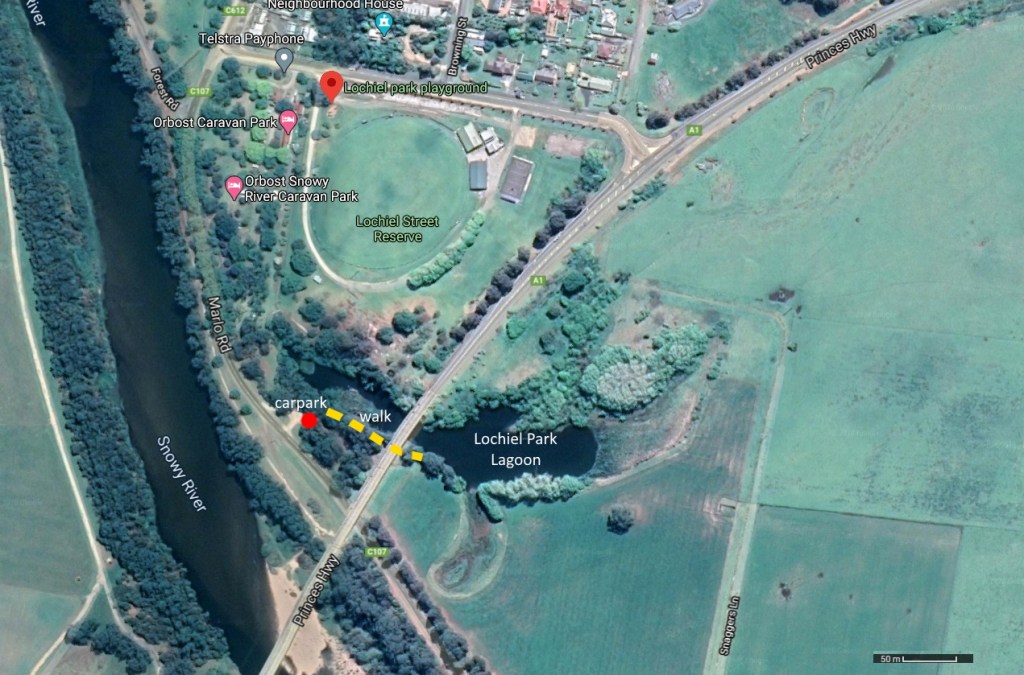
Lochiel Park Lagoon, Orbost, East Gippsland, by Janine Duffy
https://goo.gl/maps/ckQXCuu9pPanqR5X8
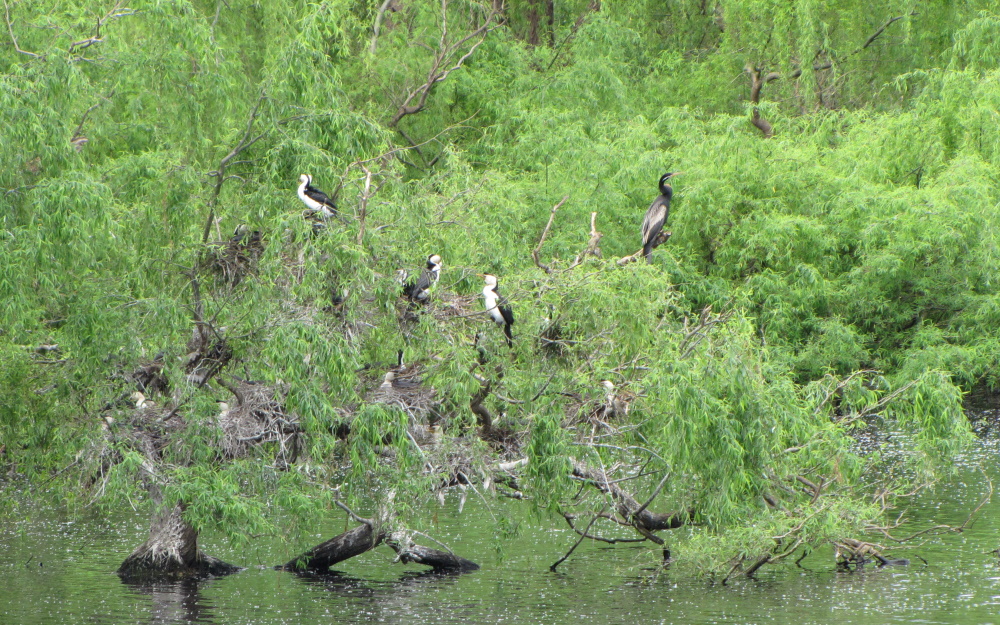
There’s this funny little spot in Orbost, East Gippsland VIC that I love. It’s under the Princes Hwy bridge so as noisy as all…you know. It’s called Lochiel Park Lagoon, it’s a backwater pond of the Snowy River. The pond is surrounded by willows, wattles and some big introduced trees and there’s no access to one side so heaps of birds roost there overnight and some nest there. If you get there early you can see Royal Spoonbills, Nankeen Night-herons, Australian Darters, ducks, egrets, coots, moorhens, swamphens, an Azure Kingfisher or two. Then throughout the day the Fairy Martins go in and out of their nests under the bridge (which is several metres up above your head). A Gippsland Water Dragon might be around, and some years there’s been a few Grey-headed Flying-foxes in the big trees. All through the area bigger trees attract Gang-gangs and Yellow-tailed Black-cockatoos, King Parrots & Sacred Kingfishers, especially in spring and summer.
There’s a little platform at one spot where you park your car, then you walk along the lagoon to the east to the farmer’s fence. Standing right against the fencepost, on the very edge of the lagoon, you can look right into the main lagoon. Big trees on the southeast bank are where the Darters & cormorants are – you could miss them if you don’t go right to the fence.
Safety: pretty safe. Occasionally someone camps under the bridge but they usually keep to themself.
Toilets: at footy oval nearby
Mobile phone reception: yes
Physical ability required: almost none. Drive right to site.
..
Jawbone Reserve, Williamstown, by Carol Challis
https://goo.gl/maps/gsf7AKon7mYYPi9x7
From Williamstown Beach at Victoria St, along Jawbone Reserve and right along the coastline to Kororoit Creek mouth, Altona. The prevailing wind, tides and season determine the best spots and there’s a collection of cafes and facilities for convenience. It’s relatively safe but with any area where the general public has access, take care. The main issue is off lead dogs which may interfere with good sightings and natural behaviour.
Jawbone Flora and Fauna Reserve eBird Hotspot: https://ebird.org/hotspot/L2519055
Great birds include: Pied Cormorants at rocks at point directly south of Williamstown Linear Reserve; Grey Fantails in bush area there too, Blue-billed, Pink-eared & Freckled Ducks in ponds south of Gem Ct, great shorebirds at Maddox Rd, Kororoit Ck mouth.
Carpark: at Maddox Rd, Victoria St (near cafe) or Mullins Court.
Safety: Relatively safe, lots of people around
Toilets: At Victoria St carpark, near cafe: The Kiosk by d’Asporto
Mobile phone reception: yes
Physical ability required: some – flat walking any distance you wish.
…
TASMANIA
Waterworks Reserve, Hobart by Anne Collins
Only about 10 minutes by car from the centre of Hobart, on the foothills of Mt Wellington.
Waterworks Reserve eBird Hotspot: https://ebird.org/hotspot/L1206912
Depending on the food sources available many species can be present including most endemics, excluding Forty-spotted Pardalote and Scrubtit. Also possible to see Pink Robin, Olive Whistler and Bassian Thrush.
Very safe spot, usually employees of Taswater on site and a lot of recreational users. Picnic
shelters, BBQs and toilets available plus good phone reception.
Sealed road and a number of car parks through approximately half the reserve so if limited
mobility can bird from the car. A range of tracks allow for different levels of fitness and a range of environments to visit.
Safety: Very
Toilets: Yes
Mobile phone reception: Yes
Physical ability required: All levels
..
The Springs, by Anne Collins
Approximately half way up Mount Wellington so good for our higher altitude birds such as
Scrubtit, Tasmanian Thornbill, Tasmanian Scrubwren, Black Currawong, Pink Robin etc. A large parking area plus an overflow parking area nearby. Toilets, picnic tables and a coffee van.
Wellington Park — The Springs eBird Hotspot: https://ebird.org/hotspot/L7324885
Safety: Yes, very
Toilets: Yes
Mobile phone reception: Yes
..
Gould’s Lagoon, Hobart by Anne Collins
Approximately 20 minutes north of Hobart by road. There is a track around most of the lagoon and a viewing platform. Resident population of Freckled Ducks and good for Tasmanian Native Hens. Other species of ducks usually present and some bush birds.
Goulds Lagoon Wildlife Sanctuary eBird Hotspot: https://ebird.org/hotspot/L921975
Safety: Very
Toilets: No
Mobile phone reception: Yes
..
Pipe Clay Lagoon, Hobart by Anne Collins
Approximately 30 minutes from Hobart near Clifton Beach.A road leads around part of the foreshore from which you can observe/photograph at relatively close range White-fronted Chats, Red-necked Stints, Red-capped Plovers, Double-banded Plovers and Oystercatchers among other species. A road branches off about half way along (-42.982579, 147.534648) that will take you in to a carpark for the Cape Deslacs walk, this takes you out to a Short-tailed Shearwater Rookery (you may prefer to do this walk with company due to snakes and the nesting holes that can lead to injuries). The area around the carpark is good for bush birds.
Pipe Clay Lagoon eBird Hotspot: https://ebird.org/hotspot/L2548364
Safety: Very safe
Toilets: No
Mobile phone reception: Yes
..
Queens Domain, Hobart by Anne Collins
This area is within walking distance of the city centre. The area around the athletics centre is very reliable for quiet Eastern Rosellas and sometimes Green Rosellas. The area near the Botanical Gardens has many trees that attract Musk Lorikeets.
Queens Domain eBird Hotspot: https://ebird.org/hotspot/L2509736
Safety: Yes
Toilets:
Mobile phone reception: Yes
..
Waverly Flora Reserve, by Anne Collins
On the Eastern shore of Hobart, but only about 10 minutes drive from the city centre. Good entry points at Quarry Road, Mornington or Mercedes Place, Bellerive. A range of species, including Blue-winged Parrots in summer.
Safety: Very safe
Toilets: No
Mobile phone reception: Yes
Peter Murrell Reserve, by Anne Collins
Best entry point is from Huntingfield near the old Vodafone centre -42.993954, 147.289003. Good for a big range of species, although Forty-spotted pardalotes are rarely seen there now. Well marked fire trails to walk around and I always feel safe there.
Safety: Yes
Toilets: No
Mobile phone reception: Yes
Pierson’s Point. By Anne Collins
-43.050514, 147.340456
Worth visiting for the views alone. Can be very busy with birds or quiet depending on the food sources available. One of the more reliable spots for Beautiful Firetail finches and also a chance of Forty-Spotted Pardalotes on the southern edge. Good parking and safe with mobile reception but no facilities.
Safety: Yes
Toilets: No
Mobile phone reception: Yes
..
QUEENSLAND:
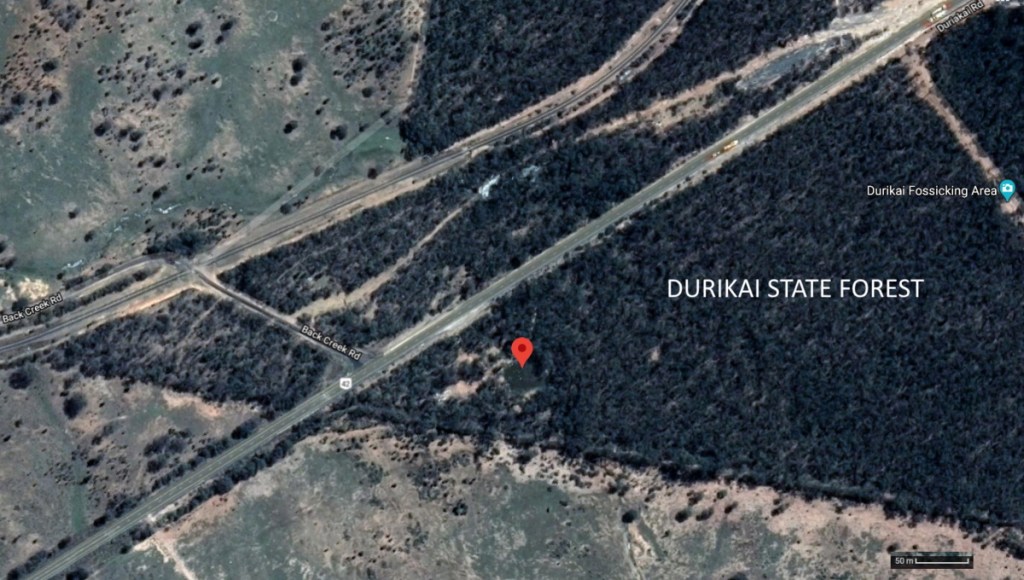
Durikai State Forest, by Sue Lee
Nearest town: about 70 kms west of Warwick
https://goo.gl/maps/5MEEaTzhENaDMXed8 (Durikai State Forest Waterhole eBird hotspot)
Here in Queensland, Durikai State Forest is south east Queensland’s go to place to get western species. About 3 hrs from Brisbane, some mad people do the return drive from Brisbane in one day. Better to stay 2 nights in a cabin at Lake Coolmunda. But for Durikai you can camp fairly safely at Karara Showgrounds . Fabulous birding in few places in Durikai SF. There are several forest tracks within the SF, gate entries with public access tracks. Look out for Swift Parrot during winter season.
eBird shows Turquoise Parrot, Speckled Warbler, Inland Thornbill, Grey-crowned Babbler, Cicadabird, 5 species of woodswallow, & Plum-headed Finch.
Durikai State Forest Dam eBird Hotspot: https://ebird.org/australia/hotspot/L1367595
Site is very good for honeyeaters.
Durikai State Forest Waterhole eBird Hotspot: https://ebird.org/hotspot/L959781
This site can be even better than the dam.
Safety: ??
Toilets: not at site. At Karara day use area/campground about 10km west
Mobile phone reception: Variable
Physical ability required: Flat and easy walking, or drives
..
Mosquito Creek Road, Coolmunda by Sue Lee
About 50 kms further west of Durikai, near Lake Coolmunda is also 5-10km of roadside birding along the famous Mosquito Creek Rd. Using eBird, there are quite a few hotspots around there.
202 species incl Greater Bluebonnet, Red-rumped & Red-winged Parrot, Turquoise Parrot, White-winged Fairywren, Purple-backed Fairywren, Squatter Pigeons, Spotted Bowerbird, Inland Thornbill.
Safety: ??
Toilets: No. Nearest public toilets at Lake Coolmunda picnic area
Mobile phone reception: Yes
Physical ability required: Drive or walk 1 to 10kms
Mosquito Creek Rd eBird Hotspot: https://ebird.org/australia/hotspot/L1173212
Mosquito Creek Rd–km 0.5 eBird Hotspot: https://ebird.org/australia/hotspot/L1555913
…
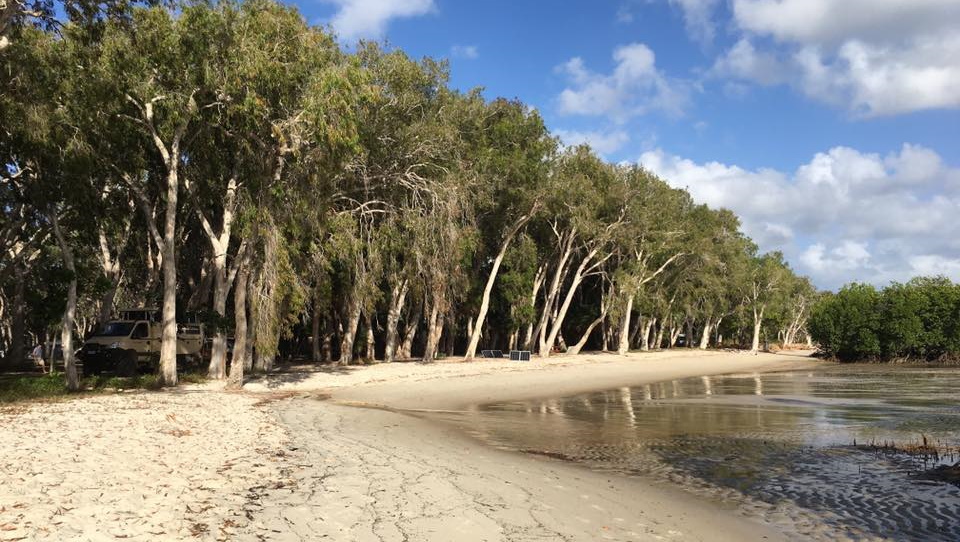
Elim Beach, Hope Vale, north of Cooktown by Jannette Manins
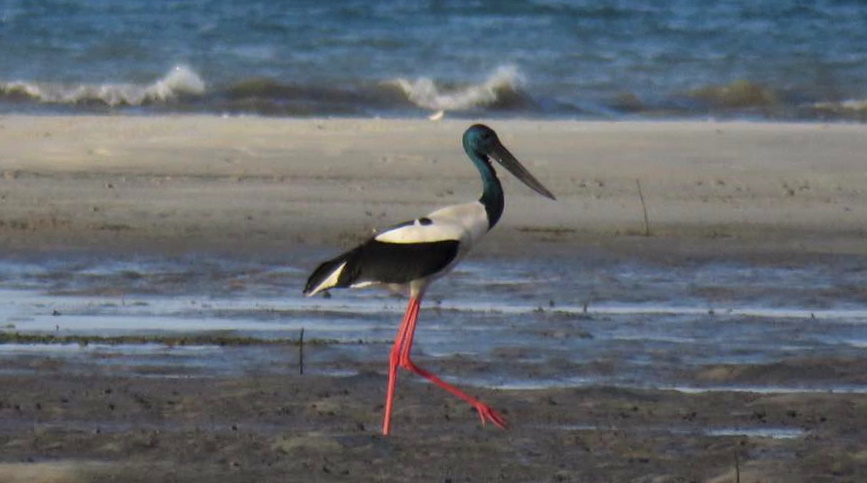
a wonderful beach for waders from September to March. There’s also a hotspot at Elim Beach Campground for lots of bush birds.
Elim Beach Campground eBird Hotspot: https://ebird.org/hotspot/L8215853
Safety: Very safe, but don’t swim – crocodiles are present
Toilets: Yes, and showers
Mobile phone reception: Yes, Telstra
Physical ability required: Flat and easy. Birds can be seen right in camp.
…
WESTERN AUSTRALIA
Palm Springs, south of Halls Creek, by Elke Link
https://goo.gl/maps/pFSpMkejbBUFVxDr6
Duncan Rd, Palm Springs eBird Hotspot: https://ebird.org/hotspot/L2540315 (there’s also another Palm Springs (near Halls Creek) hotspot, but with fewer lists)
Duncan Road goes east from Halls Ck towards the NT, crosses the border along the way and meets Hwy 1 in the NT just below Keep River.
A free-camp on Duncan Road just outside of Halls Creek, WA. Palm Springs is a small but beautiful waterhole. I saw Mangrove Golden Whistler, Olive-backed Oriole, Red-winged Parrot, Restless Flycatcher, Rufous Whistler. No idea how regular these are but the waterhole is permanent.
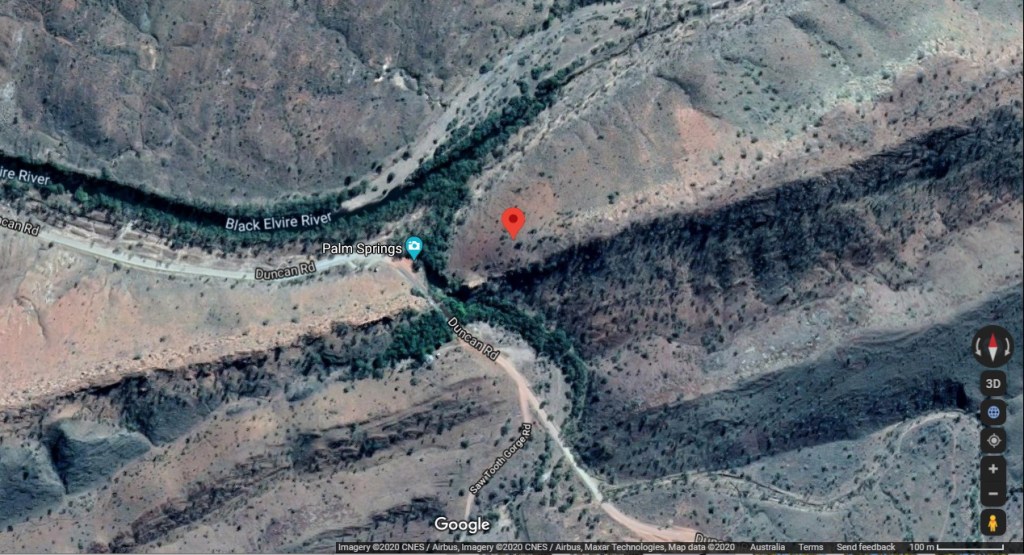
The main surprise though was the whooshing noise from the nearby creek/river which turned out to be a symphony of large flocks of budgerigar. They’re probably not regular, but if I’m ever again up that way I would definitely stop by there again.
The camp is in a corner by the road, I wouldn’t want to camp there alone, but was happy to traipse around by myself. Have to watch your step though as no facilities.
Safety: fairly safe
Toilets: No
Mobile phone reception: No
Physical ability required: sounds like walks are short
..
Handover Camp at Paruku (Lake Gregory) by Jannette Manins.
Located in the Paruku Indigenous Area near Mulan near Balgo Hills…south of Halls Creek. 4WD only.
Handover Camp eBird hotspot: https://ebird.org/hotspot/L8070733
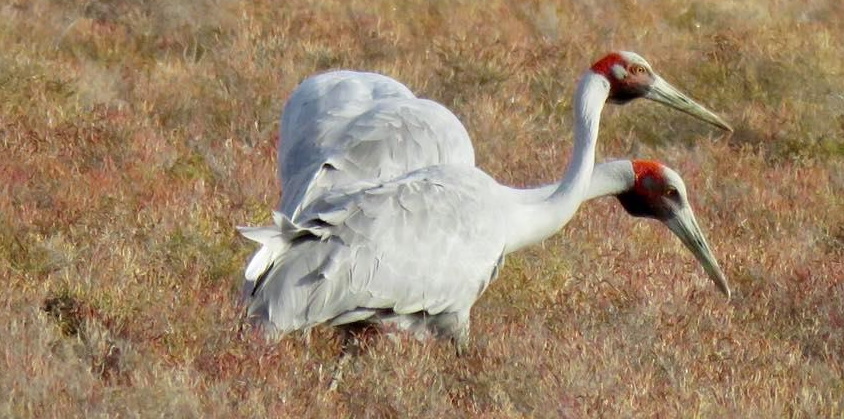
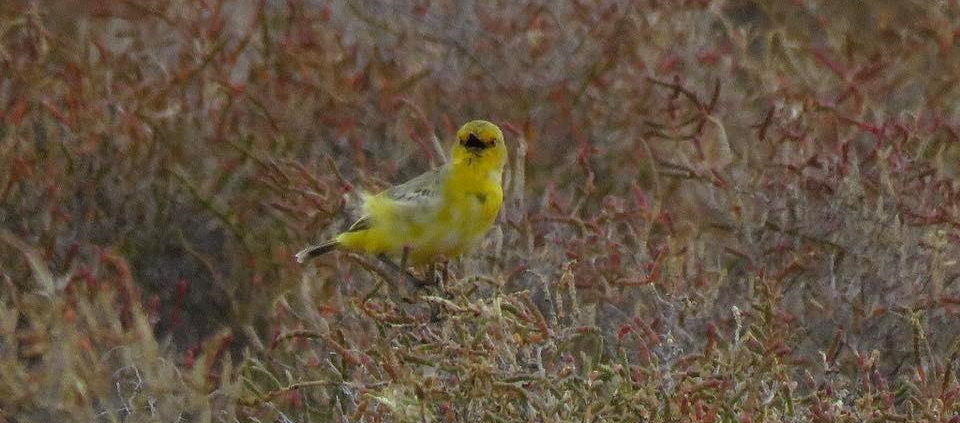
White-plumed Honeyeaters, Diamond Doves, Horsfield’s Bushlark, Australian Bustards, Zebra Finches, Australasian Pipit, Brolga near the lake, Black Swans, Orange Chats and Yellow Chats in the low vegetation surrounding the lake.
Also Stretch Lagoon just North of Lake Gregory at the top of the Canning Stock Route for water birds and raptors. Permit required, available at Mulan and Mindibunga.
Stretch Lagoon eBird hotspot: https://ebird.org/hotspot/L6240852
Safety: Very remote, I wouldn’t go alone, but we saw no one. Don’t drive onto the ‘sand’ because it’s mud under a thin layer of salt. You will be bogged!
Toilets: Yes
Mobile phone reception: No
Physical ability required: Flat and easy, you can drive right to the lake.
..
SOUTH AUSTRALIA
Arid Lands Gardens, Port Augusta. By Betty Nottle & Sonja Ross
Great visitors centre with shop, dining, plant nursery, toilets. All flat terrain with two bird hides. Various honeyeaters visit the eremophila garden, including white fronted and pied. The northern bird hide is great for zebra finches, southern whiteface and white winged fairy wrens, and sometimes elegant parrots while chirruping wedgebills and white fronted chats can be seen nearby on the bluebushes. I have also seen rufous field wrens on the flats near the hide. There are many other birds that live there or visit at different times, you just have to wander about looking and listening. Easy access and safe. Mornings are probably best, but good to allow a few hours to wander and search.
Safety: ??
Toilets: Yes, and visitors centre with shop.
Mobile phone reception: ??
Physical ability required: All flat.
..
Whyalla wetlands, by Betty Nottle
Various waterbirds at different times of the year, and different lake levels, but pied stilts, red necked avocets and hoary headed grebes there most of the time. Black swans, native hens, cormorants, ducks, sandpipers and red kneed dotterals are also frequent visitors. If you are lucky you might see a spotted crake or reed warbler. Whiskered terns and fairy martins swoop over the lakes, but the jewel in the crown are the white winged fairy wrens that live in the low scrub across the northern side of the ponds.
Whyalla Wetlands eBird Hotspot: https://ebird.org/hotspot/L2535797
Safety: ??
Toilets: Yes, and a cafe.
Mobile phone reception: ??
Physical ability required: Walking paths
…
Halligan Bay, Lake Eyre by Jannette Manins
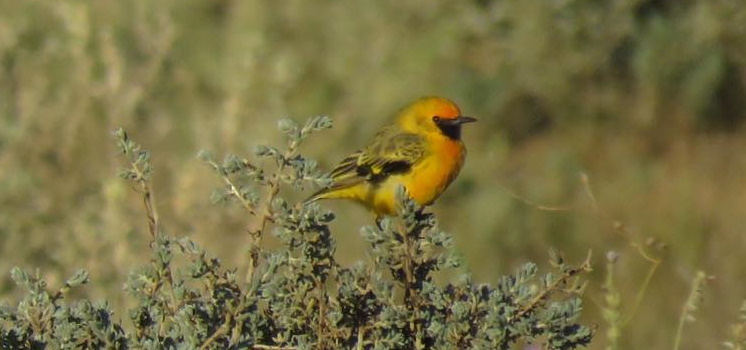
4WD required, corrugated road , but fantastic birds such as Inland Dotteral, Orange Chats, Cinamon Quail-thrush, Rufous Songlarks, Black-faced Woodswallows. WikiCamps Spot, ebird hotspot. Toilets, picnic shelters. most sightings on the track in…and SPECTACULAR scenery, changing colours of the earth.
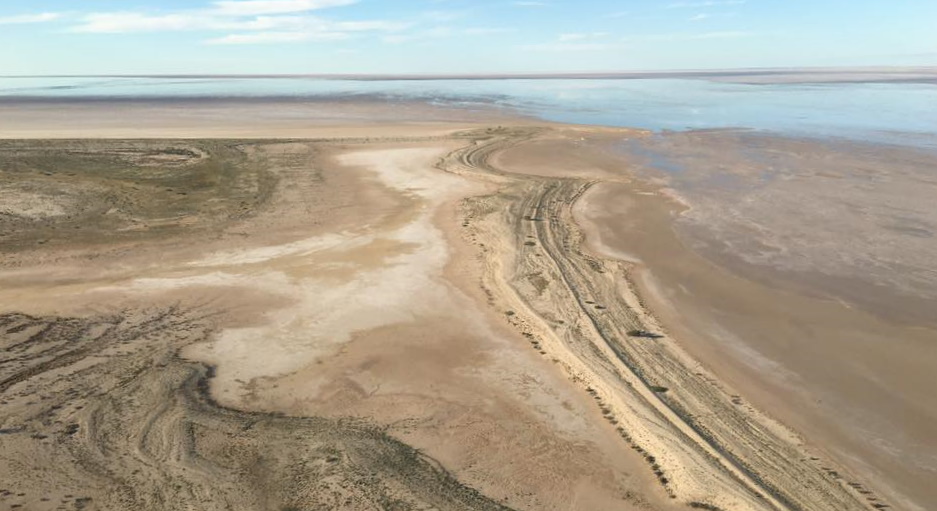
Halligan Bay Campground eBird Hotspot: https://ebird.org/hotspot/L9563125
Sometimes you might get reception in a town or pub. Closest town William Creek where there’s a camping ground with toilets and showers.
Flights over Lake Eyre and the rivers (Warburton and Macumber), and the Simpson desert to the north that feed the lake are available from Maree and William Creek. Fabulous.
Safety: Remote, so go with a friend. Don’t drive onto the lake.
Toilets: Yes, and picnic shelters.
Mobile phone reception: No
Physical ability required: Easy walking
..
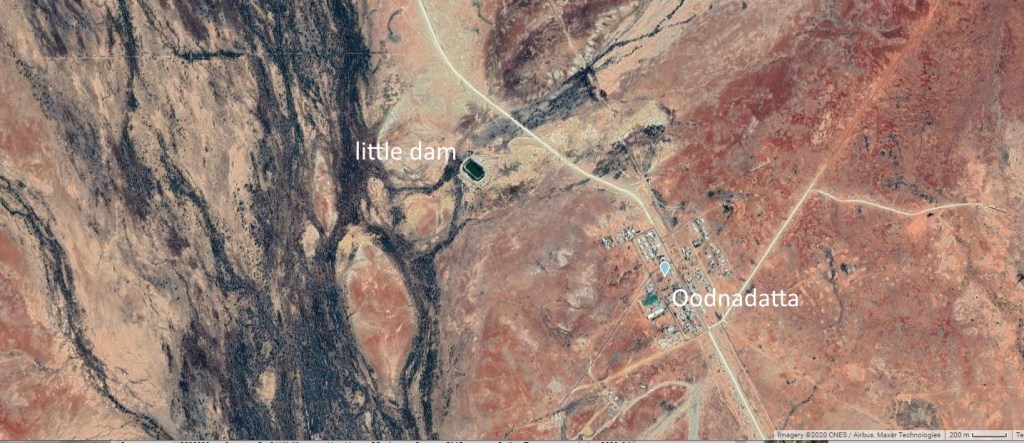
Dam at Oodnadatta, by Jannette Manins
Just outside Oodnadatta to the NW is a little dam. No one about at night. Lovely birdlife, Robins, Red-backed Kingfisher, Emu-wren and Grebes…
No eBird hotspot, yet.
Safety: ??
Toilets: ??
Mobile phone reception: ??
Physical ability required: ??
..
NEW SOUTH WALES
Mungo Brush Camp on Myall Lakes by Jannette Manins
Located in Myall Lakes NP but over the road from the Pacific Ocean. Just north of Port Stephens. Fantastic birding! Very beautiful!
Myall Lakes National Park — Myall Brush eBird hotspot: https://ebird.org/hotspot/L2362722
Safety: good
Toilets: yes
Mobile phone reception: Yes, Telstra
Physical ability: Easy walks.
..
Gunneemooroo Campground, Warrumbungles by Jannette Manins
Picturesque, out of the way camp. Collect a key to the gate at a farmhouse on the way.
Warrumbungle National Park–Gunneemooroo Campground eBird Hotspot https://ebird.org/hotspot/L4527019
Safety: Take a friend as it’s a bit lonely
Toilets: Yes
Mobile phone reception: Yes, Telstra
Physical ability required: Slightly sloping campsite and timbered, rocky hills to climb if you like.
..
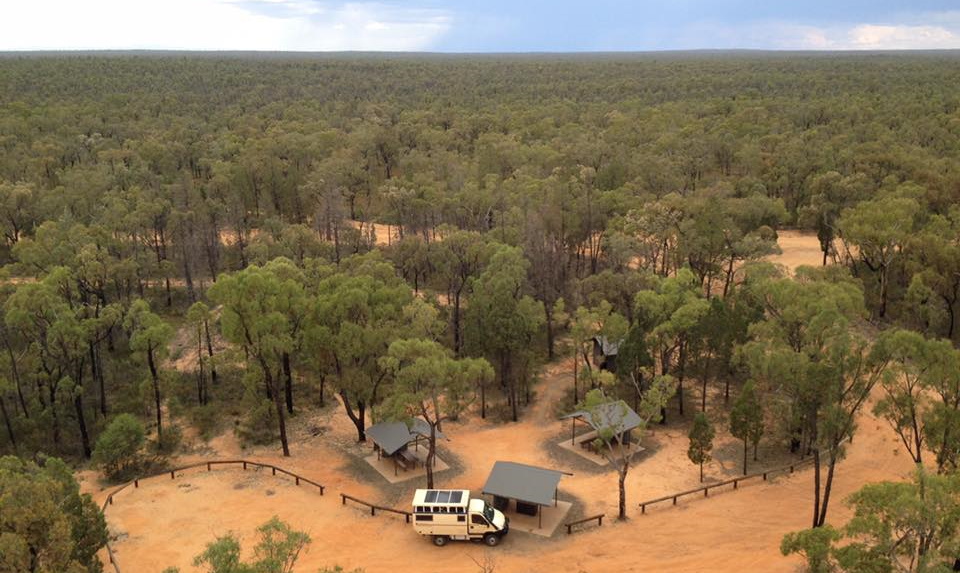
Salt Caves, Timallallie NP, Pilliga Forest by Jannette Manins
https://www.australianwildlife.org/where-we-work/the-pilliga/
Camp at Salt caves (or as we do at the dam, red squiggle)
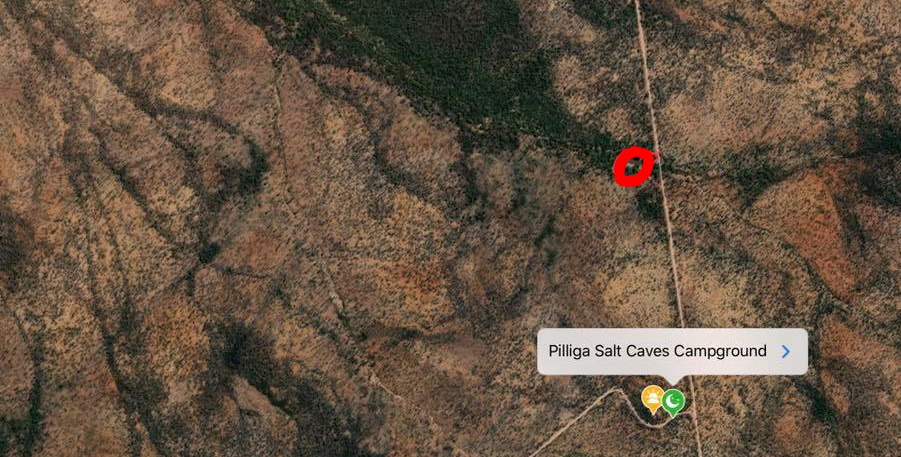
Wonderful birds and wildflowers in spring here. Be there at dawn to watch birds visit the dam.White-browed, little, masked, White Breasted Woodswallows, many species of honeyeater including Yellow Faced, White-eared, Striped; Common Bronzewing, Crimson Chat…etc.There’s an easy walk between the Salt Caves and the dam…or drive.
Timallallie National Park–Salt Caves eBird Hotspot: https://ebird.org/hotspot/L2535087
 Women Birders Australia
Love this! Can’t wait to be able to go to visit these amazing places!
LikeLike