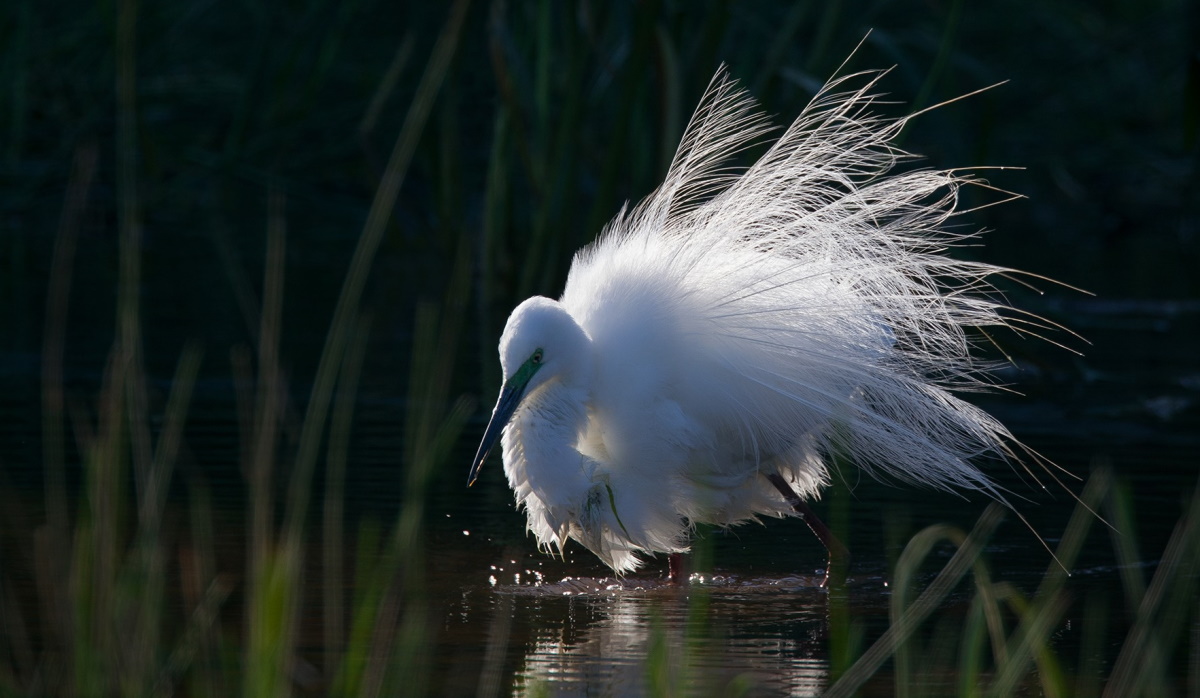
ID Challenge 17 July 17 2020 by Sonja Ross
Kindy & L Plate: Which family is this?
P Plate: Which species and why?
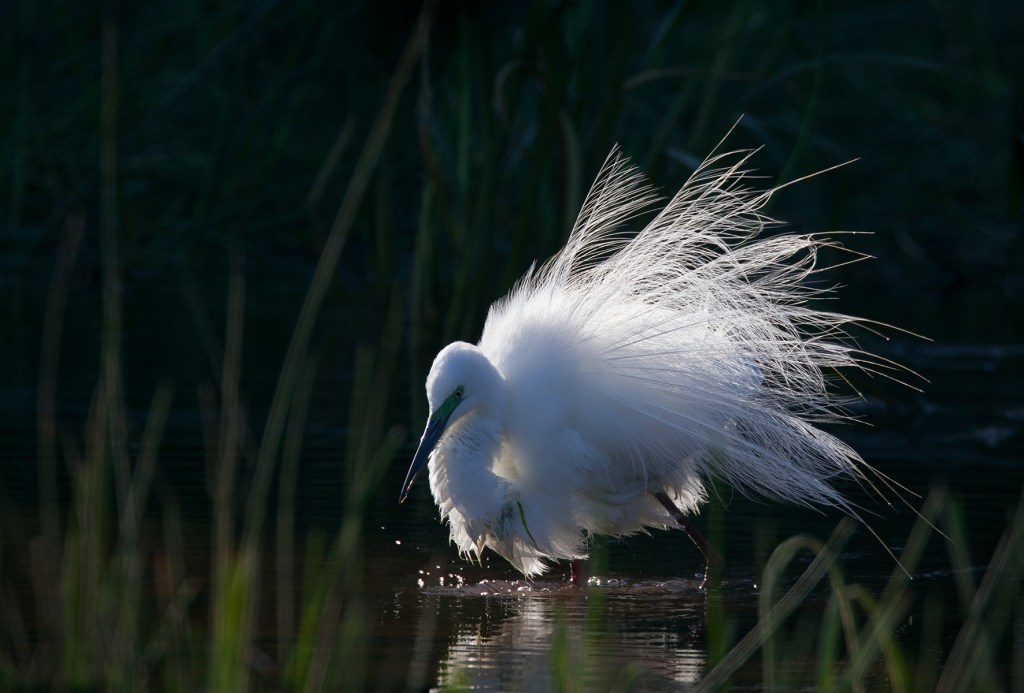
Solution:
Everyone was able to identify this as a Great Egret Ardea alba modesta, but how do we know?
The breeding plumes are only on the back, not on the breast as would occur with an Intermediate/Plumed Egret.
It has the breeding flush of greenish lores which are only visible for a brief period and is known as a breeding flush.
The bill is black in breeding, not the usual yelllow, and there is a redddish flush on the legs which is more visible on the shorter leg!
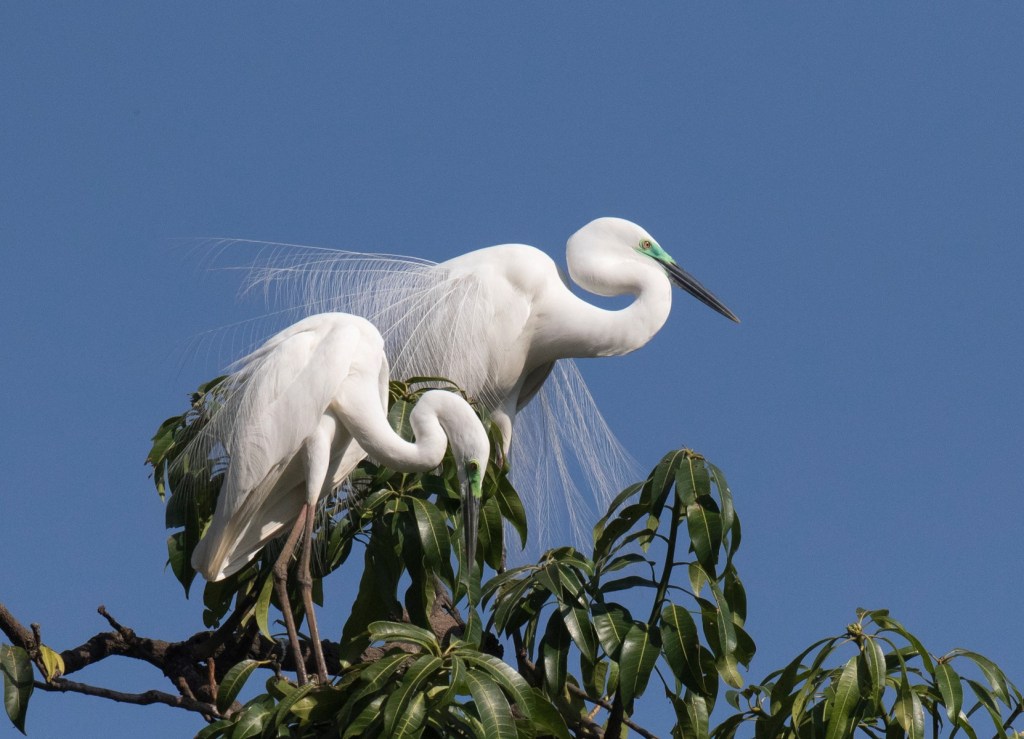
The birds in the photo below are also breeding, but in Kandy, Sri Lanka.
In comments below I’ll add a couple of other images to highlight the differences between Great and Intermediate/Plumed Egrets.
It’s easier for us around Melbourne as Intermediate/Plumed Egrets are uncommon.
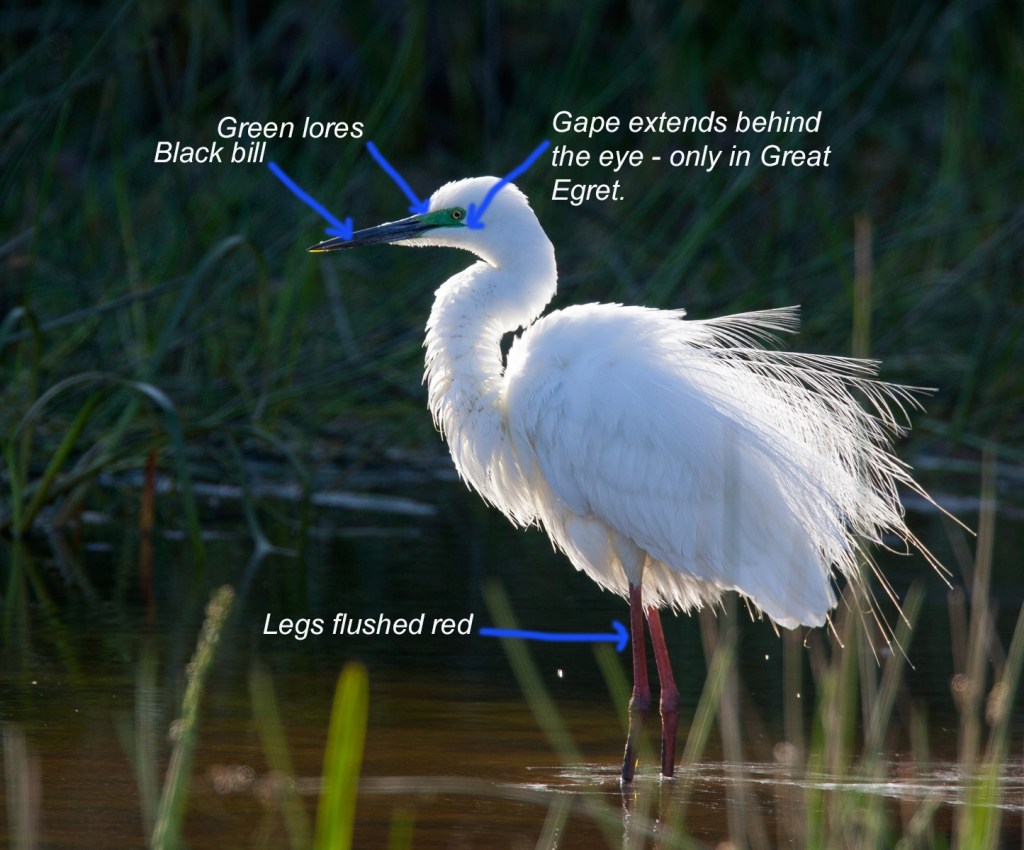
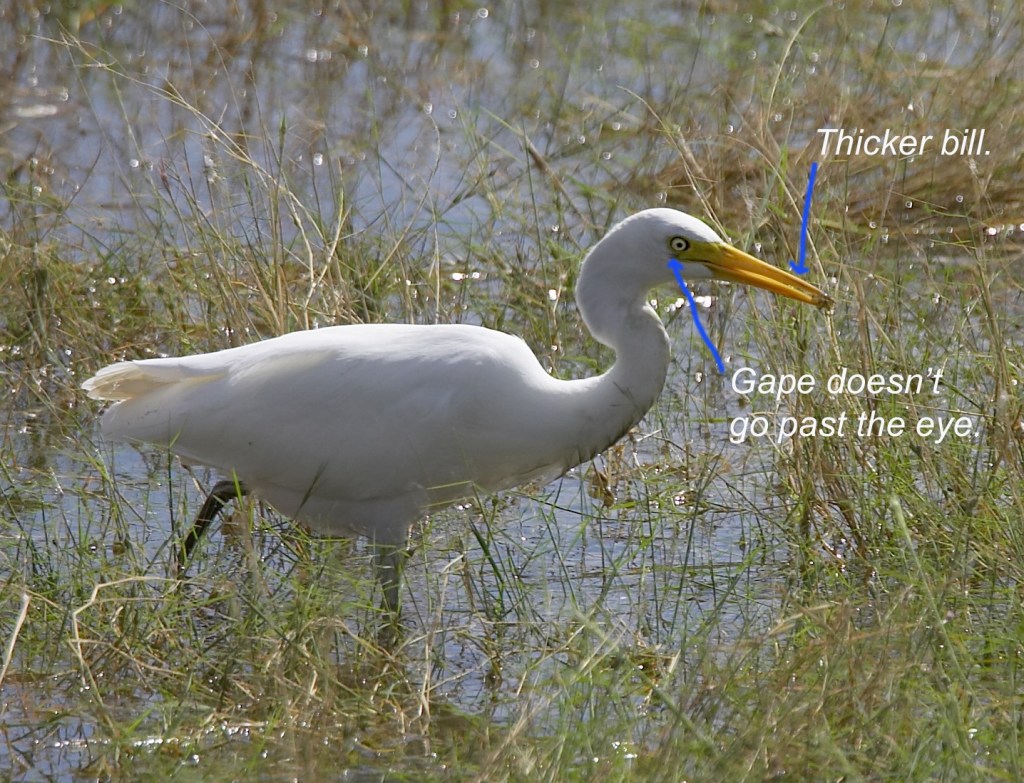
Photo below highlights the main id features. It’s the same bird as the original picture.
An Intermediate/Plumed Egret, below. Sometimes it isn’t quite so easy to see if the gape goes behind the eye or not as feathers can cover it, but features like the neck and stouter bill help with the id. Unfortunately I don’t have a photo of one in breeding plumage.
Comments:
Sue Gadsby Lee: Qld gets all 5 Egrets up here, so it’s always more challenging when the bird is a little distant & we can’t see the head / gape to decide on Great vs Plumed….until they stretch their neck out to reveal more info
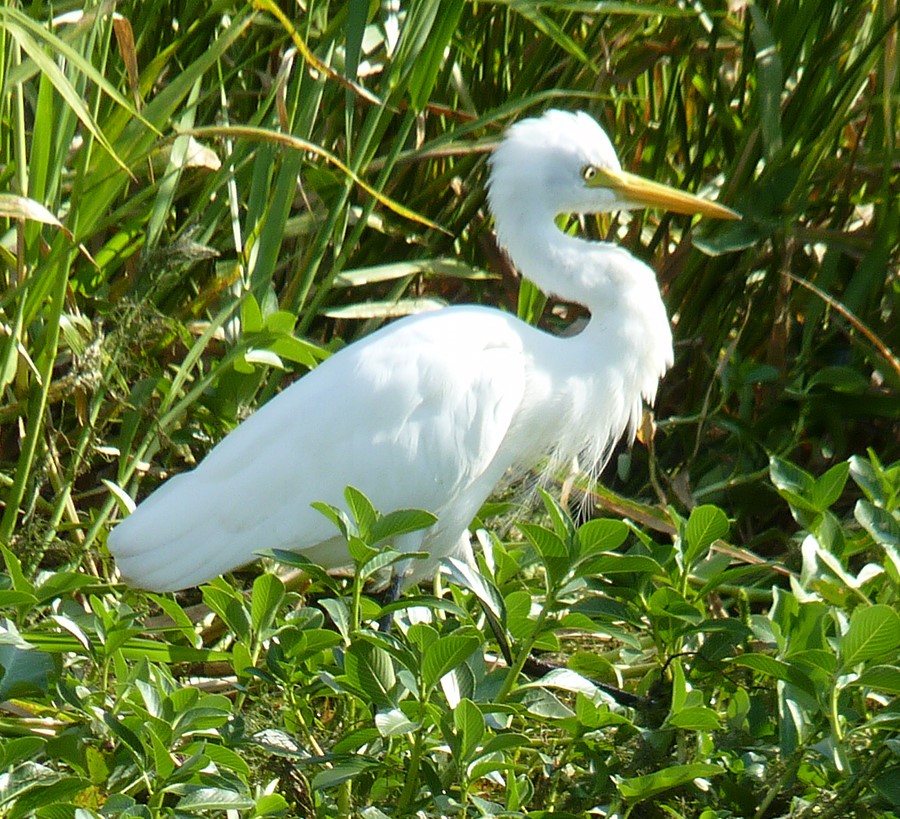
Pamela Keil: Here’s an Intermediate/Plumed (below) in partial breeding plumage, but not with the full breeding flush. From the Top End, NT in April 2019.
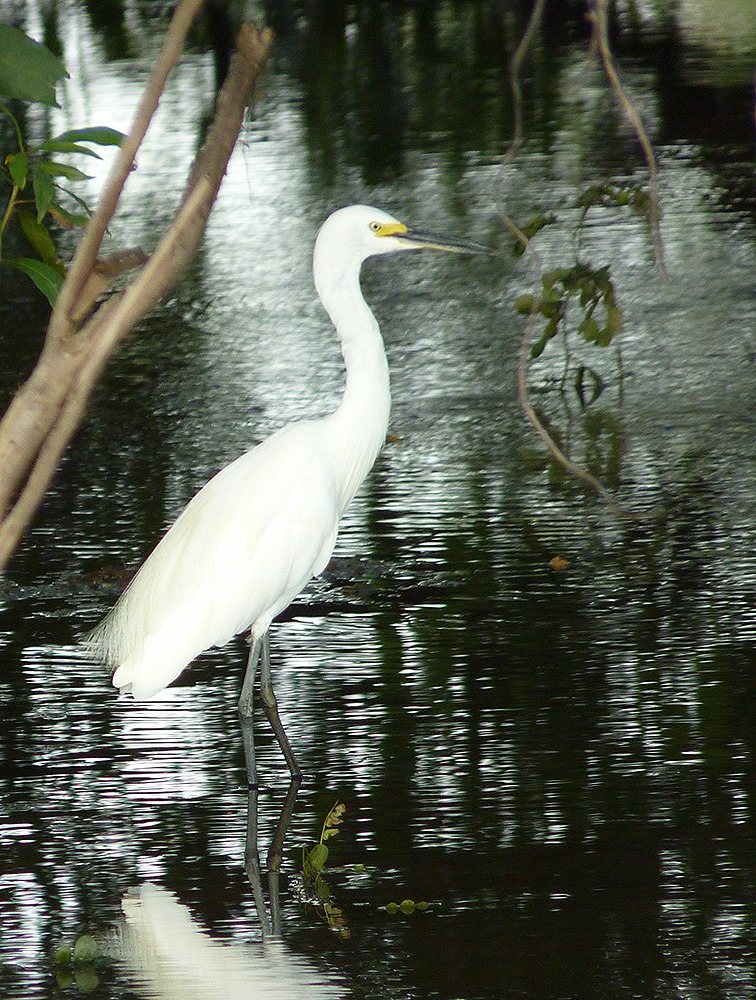
Pamela Keil: Here’s a Little Egret (below) which also has a black bill, for comparison. Also Kakadu Yellow Waters Cruise in April 2019.
Sally Sheldon: Beautiful image! I knew species ok, so will 😊, but explain that ID is based for me mostly on location of breeding plumes, together with gape and bill colour, corroborated to a lesser extent by bill size and shape, and by overall neck/head size/shape. I confess I can’t master the gape-past-the-eye ID feature, sigh… I like to think I am on top of that, but then a photo like this throws me a bit, as to me, in this image, that feature doesn’t quite look like I thought it should (i.e. as extensive)..
 Women Birders Australia